As we start a new year, demand for reliable connectivity in the UK’s busiest places remains stronger than ever. From sports and entertainment venues to packed city centres, our customers expect consistent performance wherever they go – and in 2026, network densification will stay at the heart of how we deliver this.

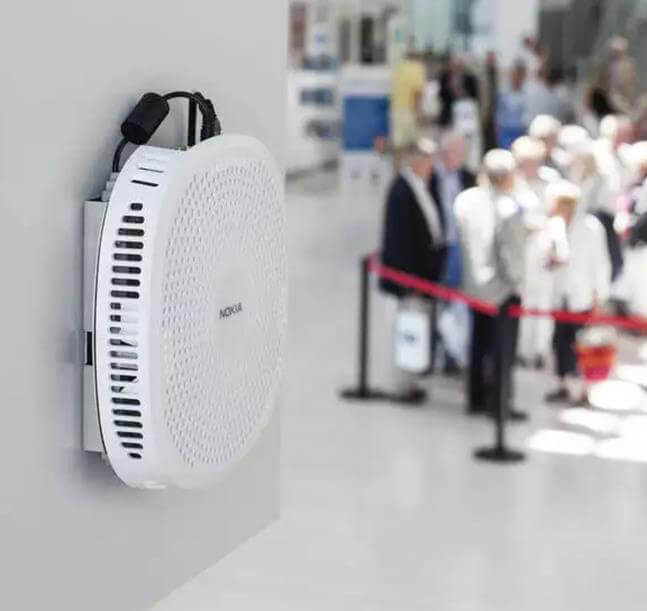
Small cells play a crucial role in this effort. With a compact, versatile form factor and low transmit power, these miniature mobile masts bring additional capacity and performance to our EE network where it’s needed most – making them an increasingly integral part of the fabric of our mobile network as capacity requirements continue to grow.

Small cell
Small cell

So, in order to keep pace with this increasing demand in the busiest parts of our network, we’ve been busy accelerating our small cell deployments to ensure customers can stay reliably connected to our leading 4G and 5G services.

And while all ‘small cells’ are indeed small, there are different types and sizes to address a diverse range of indoor and outdoor use cases. Femtocells are the smallest and most commonly deployed of these, with our teams installing thousands in small indoor venues such as shops and cafés across the UK, delivering coverage in locations where mobile services would otherwise be unavailable.

For larger venues such as airports, train stations, shopping malls, and stadiums like Wembley, higher capacity Picocells can be deployed and distributed across the whole building footprint to provide comprehensive coverage, with the added benefit of having greater range than their femtocell counterparts.

Picocells tend to be deployed as part of a Distributed Antenna System (DAS), which help to simplify complex building designs and boost coverage and capacity so that our customers can experience the same network performance inside as they do outdoors. These systems are often configured with multiple frequency bands and carriers to support a higher number of users, offering both 4G and 5G services with peak download speeds in excess of 1Gbps.

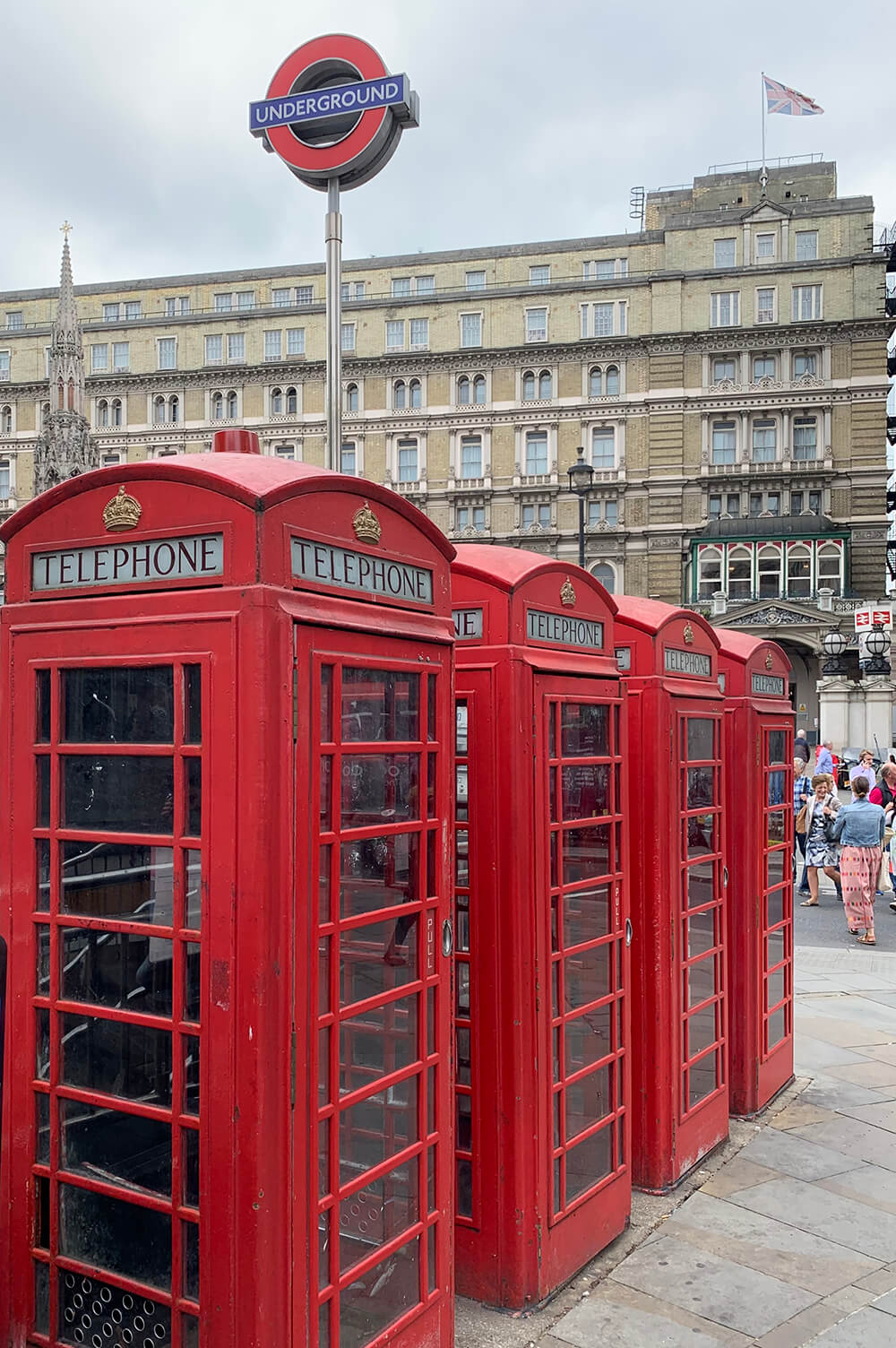
Last but not least, we’ve now deployed over 1,500 outdoor small cells in densely populated urban environments, increasing network capacity in towns and cities across the UK from Belfast to Birmingham, and Liverpool to London. We’re able to quickly deploy small cells in such locations with minimal disruption, using existing street furniture like lampposts or our iconic red phone kiosks to blend the equipment into the local environment.

With deployments in every major UK city, as well as in dozens of smaller towns and tourism destinations, our outdoor small cell network is playing a crucial role in our efforts to densify our network in the UK’s busiest places. But we’re also using outdoor small cells to extend coverage within rural areas and regional holiday hotspots, providing essential connectivity to underserved communities or those which see seasonal fluctuations in population.

In recent years, small cells have become a vital component of our mobile network infrastructure, enabling us to deliver enhanced services in challenging environments where traditional macro solutions would struggle to serve the demand efficiently. As we enter 2026, we’ll continue to deliver these crucial mini-masts to more and more of the UK’s busiest locations.

Red phone boxes
Red phone boxes

More tech and innovation news